Florida Cottage Food Law · 2026
Can you sell homemade tea blends in Florida?
YES — Allowed
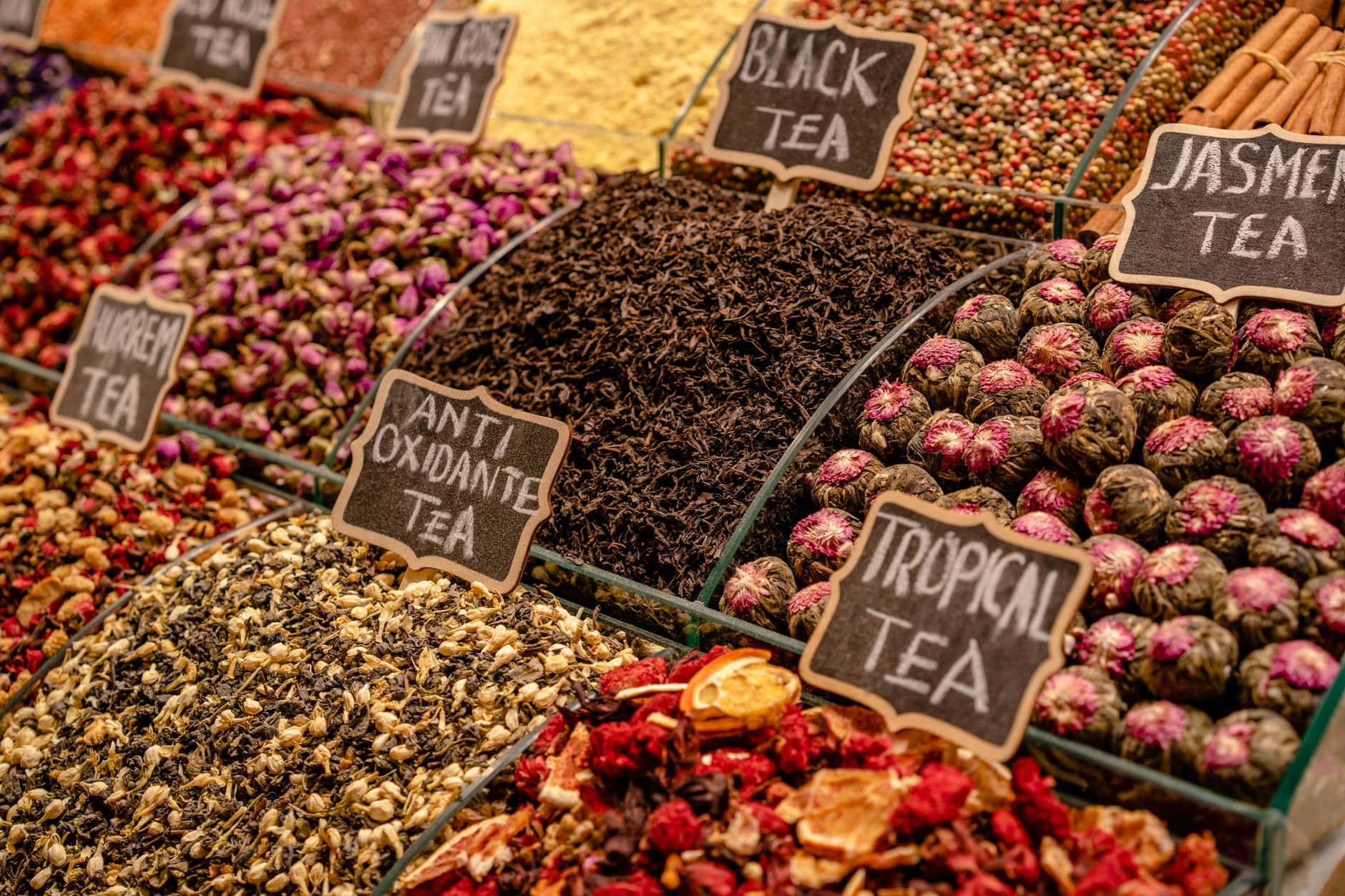
Yes. Dry loose-leaf tea and herbal tea blends are allowed Florida cottage foods.
Why yes?
Dried teas and herb blends fall under the allowed "dried herbs" category — fully shelf-stable and legal to sell direct to consumers.
Not allowed: brewed iced tea, kombucha (fermented), or any ready-to-drink beverage. Dry blends only.
Florida Cottage Food Law: Key Facts
Updated July 2026- Permit required: None — no license, permit, or FDACS registration for cottage foods
- Legal basis: Florida Statute 500.80
- Annual sales cap: $250,000 gross per year
- The rule: Only non-potentially-hazardous foods (safe at room temperature)
- Sales channel: Direct to consumers in Florida only — no wholesale
- Labels: 6 required elements, including the cottage food statement
How to sell tea legally
- 1Source dried botanicals from reputable suppliers; keep everything fully dry
- 2List every botanical on the label in descending order
- 3Avoid medical claims — "relaxing blend" is fine, "cures anxiety" is illegal labeling
- 4Sampler flights of 4–6 small tins convert new customers best
Storage & refrigeration
Tea Blends qualifies because it's shelf-stable — safe at room temperature. Keep it that way: the moment you add a cream or custard filling, fresh dairy, or anything that needs refrigeration, it stops being a cottage food. Store and transport tea blends at room temperature and it stays compliant.
How to label tea blends
Every package of tea blends you sell needs a compliant label with all 6 required elements:
- 1Your cottage food business name and address
- 2The product name
- 3Ingredients, listed in descending order by weight
- 4Net weight or quantity
- 5Allergen declaration (milk, eggs, wheat, soy, peanuts, tree nuts, fish, shellfish)
- 6The cottage food statement (exact wording, below)
“Made in a cottage food operation that is not subject to Florida's food safety regulations.”
This statement must appear word-for-word.
Where you can sell tea blends in Florida
Cottage food is sold direct to the customer, within Florida. For tea blends, that means:
✅ Allowed
- Farmers markets, fairs & events
- Home pickup and local delivery
- Online, phone & mail order — delivered in Florida
🚫 Not allowed
- Wholesale to stores/restaurants for resale
- Selling or shipping outside Florida
- More than $250,000 in gross sales per year
Pricing tea blends for profit
Add up your cost per unit (ingredients + packaging), multiply by 3–4× to cover your time and overhead, then sanity-check against what similar makers charge locally. Undercharging is the single most common mistake — your time is a real cost, not a freebie.
Free recipe cost calculatorCommon mistakes to avoid
- Underpricing — not counting your time, packaging, and market fees
- Missing a required label element, especially the exact cottage food statement
- Adding a filling or frosting that needs refrigeration, which quietly turns compliant tea blends non-compliant
- Selling across state lines or wholesale to a shop for resale
- Losing track of the $250,000/year gross sales cap
Not sure about a different product?
Check any food against Florida's rules in seconds with our free tool — then price it and label it with the rest of the toolkit.
Frequently asked questions
Can I sell kombucha?
+
No — kombucha is a fermented beverage, which Florida's cottage food law does not allow. Dry tea blends are the legal lane.
Can I make health claims about herbal teas?
+
No. Health/medical claims turn your food into an unapproved drug in the FDA's eyes. Describe flavor and experience, not cures.
People also ask about
Official Florida sources
FDACS — Cottage Foods
Florida Dept. of Agriculture & Consumer Services — the official cottage food program.
Florida Statute 500.80
The cottage food law itself, on the Florida Legislature's official site.
This is general educational information, not legal advice. Cottage food rules change — always verify current requirements with FDACS before you sell.
Ready to start selling?
Get the step-by-step startup guide, free pricing tools, and a spot in Florida's cottage food directory.
Educational information, not legal advice. Verify current requirements with FDACS. Based on Florida Statute 500.80 as of 2026.