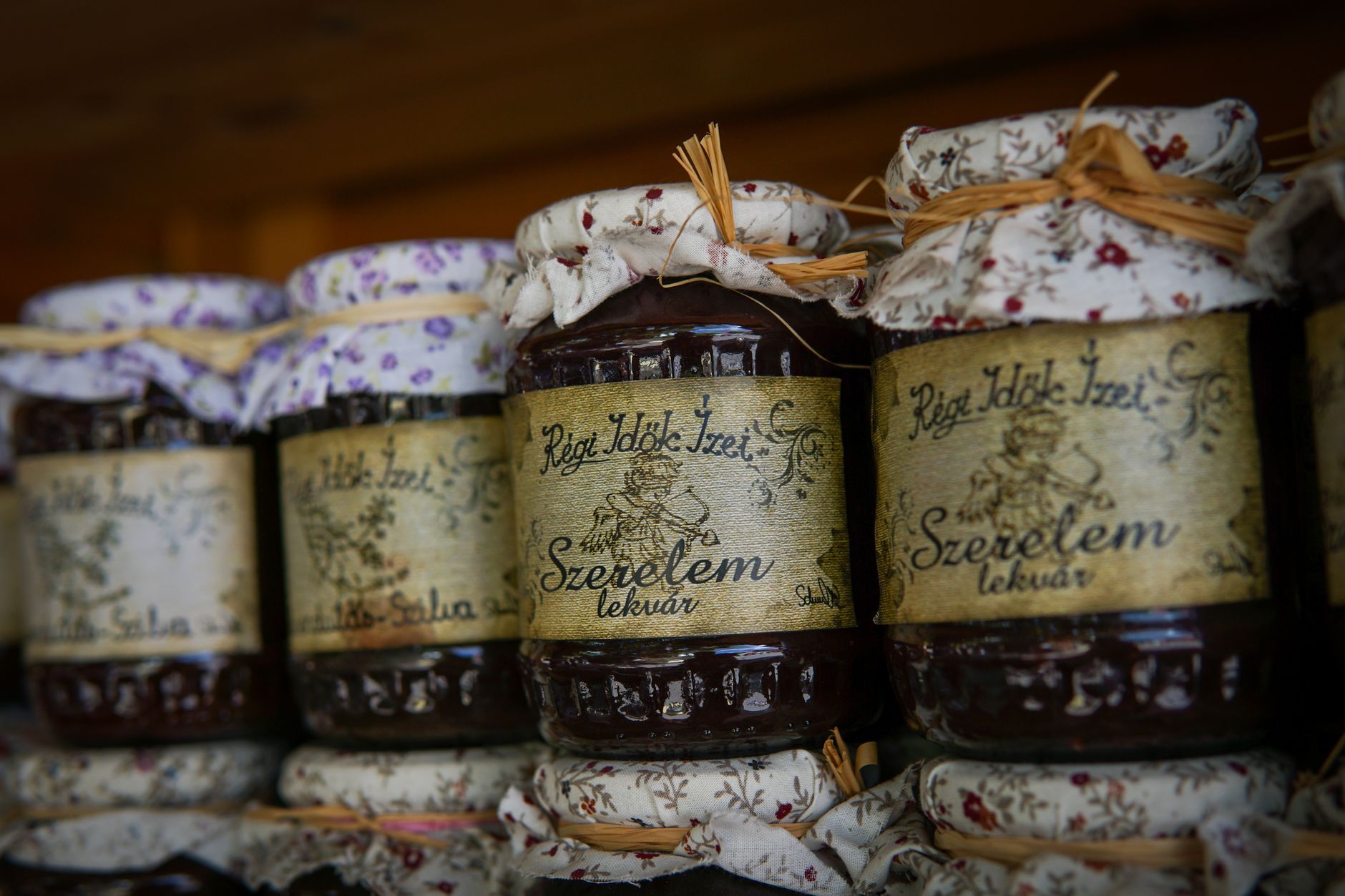
Homemade jam is one of the most popular cottage food products in Florida. It has a long shelf life, customers love it, and the ingredients are straightforward. If you have been wondering whether you can legally make and sell jam from your home kitchen in Florida, the answer is yes—and the startup costs are lower than you might expect.
Quick Cost Summary
Minimum startup: Approximately $150–300 (if you already own basic pots and a stove)
Recommended startup: Approximately $400–700 (quality canning equipment and supplies)
Per-jar ingredient cost: Roughly $1–2 per 8oz jar, depending on fruit type
Typical selling price:$6–12 per 8oz jar at Florida farmers markets
Is Jam Allowed Under Florida Cottage Food Law?
Yes. Jams, jellies, and preserves are explicitly listed as approved products under Florida's cottage food law, codified in FL Statute 500.80. You can legally produce and sell homemade jam from your residential kitchen without a commercial food license or health department inspection.
Key Requirements (FL Statute 500.80)
- ✓Annual sales limit: $250,000 (raised from $50,000 in 2021)
- ✓Production location: Must be made in your home kitchen
- ✓Sales method: Direct to consumer only (farmers markets, online with direct delivery, in-person pickup)
- ✗Not allowed: Cannot sell through retail stores, restaurants, or third-party resellers
- ✓Required label disclaimer: "Made in a cottage food operation that is not subject to Florida's food safety regulations"
Note on Canning Method
Jams and jellies are high-acid foods, safe for water bath canning at home. Low-acid foods (vegetables, meats) require pressure canning and are generally not permitted under cottage food laws. Stick to fruit-based jams, jellies, and preserves.
Startup Equipment Costs
You likely already own a large pot and a stove. Below are the jam-specific items you will need, with approximate price ranges.
Equipment (Estimated Prices)
Water Bath Canner (e.g., Granite Ware)
$20–60For safely processing sealed jars. A basic kit typically includes the canner pot and a jar rack. You can also use any pot deep enough to submerge jars with 1–2 inches of water above the lids.
Ball Mason Jars 8oz (12-pack)
$8–12 per dozenIndustry-standard jars with two-piece lids. Eight-ounce is the most common size for selling jam. Ball brand jars are widely available at grocery stores and online. Budget for multiple dozens as you scale.
Canning Tool Set (Jar Lifter, Funnel, Bubble Remover)
$10–20A jar lifter is essential for pulling hot jars out of boiling water. A wide-mouth canning funnel prevents messy spills. These sets are inexpensive and last for years.
Digital Kitchen Scale
$15–30Consistent recipes require weighing ingredients, not just measuring by volume. Also necessary for accurate net weight on your labels, which Florida requires.
Large Heavy-Bottomed Pot (8–12 qt)
$30–60 (or $0)A heavy-bottomed pot distributes heat evenly and prevents scorching. Stainless steel is preferred over aluminum for cooking acidic fruit. If you already own a large stock pot, this cost may be zero.
Labels (Waterproof, Printable)
$10–40Home printing on waterproof label sheets runs approximately $10–20 per 100 labels. Professional custom labels through services like Avery or Sticker Mule cost more upfront but look polished.
Optional: Ball FreshTECH Automatic Jam Maker
$50–100Not required, but an automatic jam maker stirs and heats for you, reducing hands-on time. Useful once you are producing larger quantities regularly.
Equipment Cost Summary
Budget (essentials, using pots you own): $65–150
Recommended (dedicated canning gear): $150–350
Full setup (with automatic jam maker): $250–450
Ingredient Costs Per Batch
A standard batch uses fruit, sugar, pectin, and lemon juice and typically yields approximately 4–6 eight-ounce jars.
Per-Batch Costs (Approximate)
Cost varies significantly by fruit type and source. In-season Florida strawberries (peak December–March) cost less than imported blueberries. Buying directly from local farms at wholesale can further reduce costs.
Per-Jar Cost Analysis
Cost Per 8oz Jar (Estimated Ranges)
Example: Strawberry Jam Batch
Batch: 3 lbs Florida strawberries, ~1.5 lbs sugar, 1 box Sure-Jell pectin, 2 tbsp lemon juice. Yield: Approximately 5 eight-ounce jars.
This is one example. Your cost per jar will differ based on fruit type, fruit source, recipe, and label printing method.
Pricing Strategy
Most cottage food jams sell for $6–12 per 8oz jar at Florida farmers markets. Your price depends on ingredients, brand positioning, and local competition.
Typical Farmers Market Jam Prices
Estimated Profit Per Jar
Using our strawberry jam example (~$3.83 cost per jar): selling at $8 yields ~$4.17 gross profit; selling at $10 yields ~$6.17 gross profit. These estimates do not include market fees, transportation, or your labor time.
Tip: Bundles Increase Average Order
Offer bundle pricing like "1 for $8 / 3 for $20" to increase transaction size. Keep prices in round numbers for easy cash transactions at markets.
Production Scaling
How many jars do you need per week to reach your income goals? Here are realistic scenarios to help you plan. These are estimates, not guarantees—your results will depend on your product, pricing, and local market demand.
Weekly Production Scenarios (Estimates)
Side Income: ~$200–400/week
~25–50 jars/week (at ~$8 average) | ~5–10 batches | ~8–15 hours | 1–2 markets/week
Significant Income: ~$600–1,000/week
~75–125 jars/week | ~15–25 batches | ~20–35 hours | 2–3 markets plus online sales
Annual Revenue Potential
50 jars/week at $8 for 50 weeks = ~$20,000/year gross. 100 jars/week at $9 for 50 weeks = ~$45,000/year gross. The Florida cottage food annual cap is $250,000.
Important: These are estimated gross revenue figures, not profit. Subtract ingredient costs, market fees, transportation, and the value of your time.
Florida Labeling Requirements for Jam
Every jar you sell must carry a label with all required information under Florida cottage food law.
Required Label Elements
Product Name
e.g., "Strawberry Jam" or "Mango Habanero Preserves"
Ingredients List
In descending order by weight (e.g., "Strawberries, sugar, pectin, lemon juice")
Net Weight or Volume
e.g., "Net Wt. 8 oz (227g)"
Business Name and Address
Your name or business name and your home address
Allergen Warnings
If applicable (standard fruit jams typically have none)
Required Cottage Food Disclaimer
"Made in a cottage food operation that is not subject to Florida's food safety regulations."
Save Time With Our Label Generator
Our free label generator tool formats all required information into a print-ready label with the cottage food disclaimer included automatically.
Where to Sell Your Jam in Florida
Under Florida cottage food law, all sales must be direct to the end consumer. Available channels include:
Farmers Markets
The most popular channel. Booth fees typically range $25–75 per market day. Florida has hundreds of active markets, busiest October–April.
Our farmers market guide →Online Sales with Direct Delivery
Take orders through your website or social media and deliver directly to customers or arrange pickup. You can ship from your home but cannot use third-party fulfillment.
Community Events and Fairs
Craft fairs, festivals, church bazaars, and holiday markets. Jam gift sets sell particularly well during November and December.
Direct from Home
Customers pick up orders from your home. Many sellers build a local customer base through social media and word of mouth for weekly porch pickup.
What You Cannot Do
You cannot sell through retail stores, grocery stores, or restaurants. All sales must be directly from you to the end consumer.
Recommended Equipment
Links to commonly used jam-making equipment. Prices change frequently; check current pricing at each link.
Ball Mason Jars 8oz (12 Pack)
Standard jar for selling jam
Granite Ware Water Bath Canner
Porcelain-on-steel canner with jar rack
Ball FreshTECH Automatic Jam Maker
Automated stirring and cooking
Digital Kitchen Food Scale
For accurate weighing and net weight labels
Canning Tool Set (Jar Lifter, Funnel)
Essential tools for safe jar processing
Sure-Jell Premium Fruit Pectin
Reliable pectin for consistent jam setting
Waterproof Labels for Mason Jars
Printable labels sized for 8oz jars
Large Stainless Steel Colander
For washing and draining fruit
Ready to Start Your Florida Jam Business?
Get listed in our directory, create compliant labels, and download our free startup guide.
Get Listed as a Maker
Join our directory. Customers search by location and product type to find local jam makers.
Apply now →Label Generator Tool
Create Florida-compliant labels for your jam jars in minutes with the required disclaimer included.
Make labels →Free Startup Guide
Download our complete guide to starting a cottage food business in Florida.
Get the guide →Affiliate Disclosure
This article contains affiliate links to Amazon.com. If you purchase through these links, Florida Cottage Foods may earn a small commission at no extra cost to you. All cost estimates are approximate and based on typical retail pricing at the time of writing. Actual costs vary by location, season, supplier, and quantity. Legal information references FL Statute 500.80 and is provided for informational purposes; consult the current statute or an attorney for legal advice.