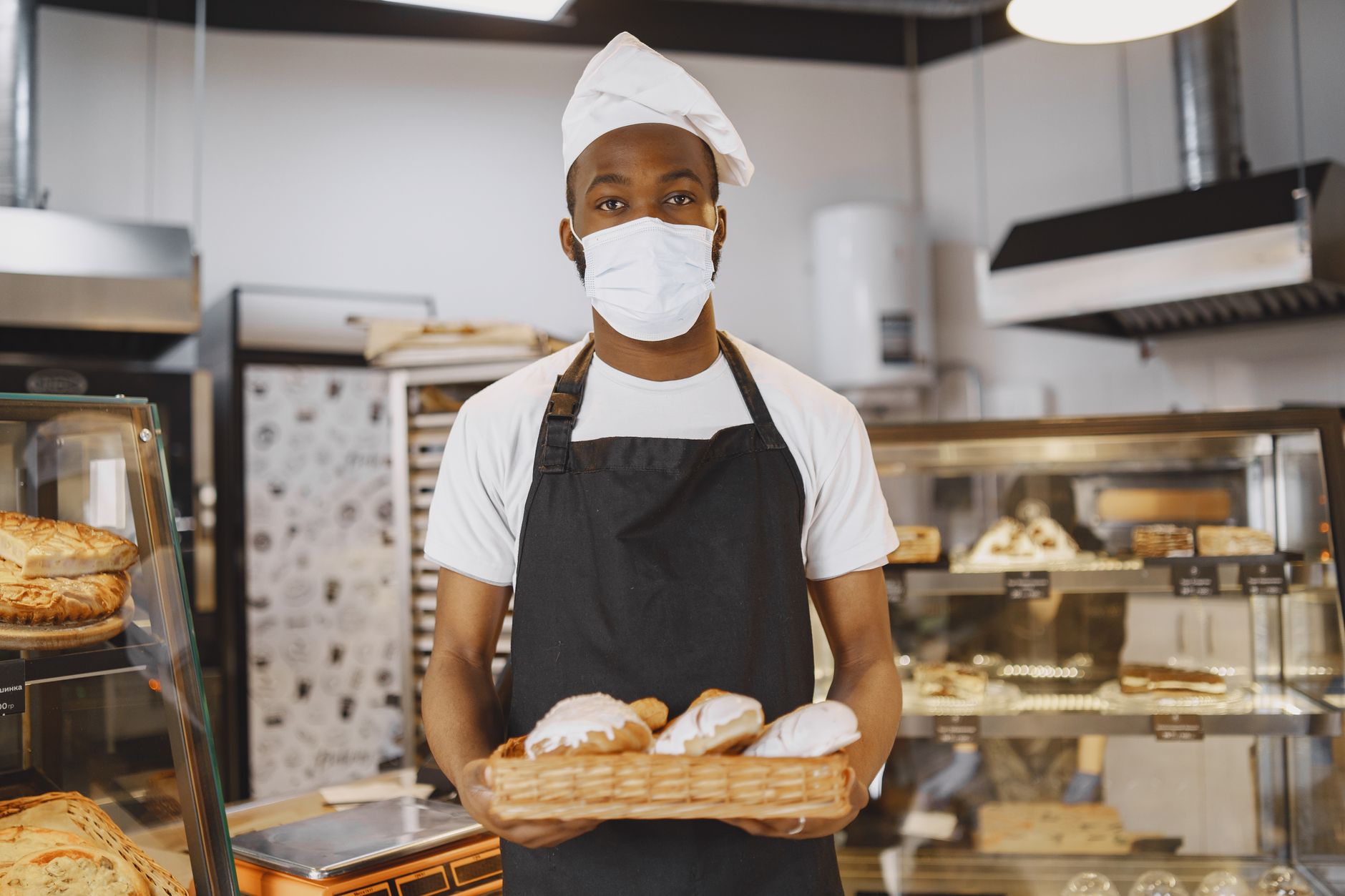
One of the best things about starting a cottage food business in Florida? You can launch with as little as $200—or invest $2,000+ for a professional setup. Unlike a traditional food business that requires commercial kitchen space, health inspections, and business licenses, Florida's cottage food law lets you start from your home kitchen with minimal regulatory barriers. This complete guide breaks down exactly what you'll spend to start your cottage food business in 2026.
💰 Quick Answer
Bare minimum: $200-500 (basic equipment & supplies)
Recommended startup: $800-1,500 (quality equipment, professional packaging)
Professional launch: $2,000-3,500 (premium equipment, branding, marketing)
Good news: No commercial kitchen, no health permits, no business licenses required in Florida!
Startup Costs at a Glance
Updated July 2026- Budget launch: $200–$500
- Recommended setup: $800–$1,500
- Full professional setup: $2,000–$3,500
- License & permit fees: $0 — Florida requires none
- Biggest costs: Equipment, packaging & labels, initial ingredients
📋 What We'll Cover
🎉 What Costs $0 in Florida (The Good News!)
Florida's cottage food law is one of the most business-friendly in the country. Here's what you DON'T have to pay for:
No Business License
Zero fees to FDACS or local government
No Health Permits
No health department inspections or fees
No Commercial Kitchen
Use your existing home kitchen (saves $1,000-3,000/month!)
No Food Handler Certification
Not required for cottage food (though recommended)
No Sales Tax Collection
Under $15,000/year? No sales tax license needed
No LLC or DBA Required
Operate under your own name (though LLC recommended later)
No Liability Insurance
Not legally required (but highly recommended)
No Website Required
Sell at farmers markets, pickup, or social media
⚠️ Important Caveat
While these things aren't legally required to START, some (like liability insurance and an LLC) become very important once you're generating income. We'll cover those optional expenses below.
💡 What This Means for Your Budget
In most states, starting a food business costs $5,000-10,000 minimum due to commercial kitchen rental, permits, and licenses. In Florida, you can start for under $500 because you're using equipment and space you likely already have. This makes cottage food one of the lowest-barrier businesses to launch.
Potential savings compared to traditional food business: $8,000-15,000+
🔪 Equipment Costs Breakdown
The good news: you probably already own 60-80% of what you need! The bad news: professional equipment makes a huge difference in efficiency and product quality. Here's what you'll actually spend:
✅ Equipment You Probably Already Have ($0)
- • Home oven
- • Stovetop
- • Refrigerator & freezer
- • Mixing bowls
- • Measuring cups & spoons
- • Baking sheets
- • Spatulas, whisks, spoons
- • Cutting boards
- • Knives
- • Pots & pans
- • Storage containers
- • Basic cleaning supplies
Estimated value if you already own: $800-1,500
🛒 Equipment You'll Likely Need to Buy or Upgrade
Stand Mixer (KitchenAid or Similar)
Essential for baked goods, high-volume production
Your hand mixer won't cut it for production batches. A 5-6 quart stand mixer lets you make 4-6 dozen cookies at once.
See KitchenAid Professional 600 on Amazon →Food Processor (14-cup)
For sauces, salsas, nut butters, chopping
Critical if you're making jams, sauces, or anything requiring chopping/blending at scale.
See Cuisinart 14-Cup on Amazon →Digital Kitchen Scale (11 lb capacity)
Required for accurate weights, portions, labeling
Non-negotiable. You need accurate weights for net weight labeling (legally required).
See Escali Primo Scale on Amazon →Instant-Read Thermometer
For jams, candies, sauces (temp accuracy)
Critical for jams/jellies, candies, and anything temperature-sensitive. Prevents undercooking or burning.
See ThermoPro TP19 on Amazon →Food Storage Containers (Set of 6-12)
Airtight containers for ingredients & finished products
Upgrade from your random Tupperware. Professional containers keep ingredients fresh and organized.
See Rubbermaid Set on Amazon →Commercial Baking Sheets (4-6 sheets)
Half-sheet pans (18x13") for production baking
Your home baking sheets won't hold up to daily production. Commercial half-sheet pans are indestructible and fit most home ovens.
Equipment Subtotal
🎯 Optional Equipment (Buy Later)
These aren't essential to start, but you'll likely want them as you grow:
- • Second oven: $300-800 (doubles production)
- • Commercial mixer (20qt): $1,500-3,000 (high volume)
- • Vacuum sealer: $100-200 (extends shelf life)
- • Chest freezer: $200-400 (ingredient storage)
- • Immersion blender: $30-100 (sauces/soups)
- • Candy thermometer: $15-30 (specific candies)
- • Silicone molds: $20-60 (chocolates/candies)
- • Dehydrator: $50-200 (dried fruits/jerky)
📦 Packaging & Labeling Costs
This is where you'll spend the most per-unit, but it's also where you can scale costs with revenue. Start small and buy more as you sell.
Initial Packaging Investment
Cellophane Bags (200 count)
For cookies, brownies, dry goods
Mason Jars 8oz (12 count)
For jams, sauces, dry mixes
Stand-Up Pouches (50 count)
For granola, coffee, trail mix
Bakery Boxes (25 count)
For cookies, cupcakes, pastries
Avery Labels (300 count)
Waterproof, printable labels
Heat Sealer (optional but recommended)
Professional bag sealing
Packaging Subtotal (Initial Order)
💡 Smart Strategy
Buy enough packaging for 50-100 products initially. This lets you test what works without over-investing. Reorder based on what sells best. As you grow, buy in bulk (500-1,000 units) to reduce per-unit costs by 40-60%.
🥄 Initial Ingredient Investment
This varies wildly based on what you're making. Here's a realistic breakdown:
Ingredient Startup Examples
Baked Goods (Cookies, Brownies)
Jams & Preserves
Granola & Trail Mix
Ingredient Investment Summary
💰 Good News About Ingredients
Unlike equipment and packaging, ingredient costs scale directly with sales. You buy more ingredients as you make more money. This keeps cash flow manageable—you're not fronting huge ingredient costs upfront.
📱 Marketing & Branding Costs
The good news: you can market for free using social media. The better news: a small investment here has huge ROI.
Marketing Budget Options
🌱 Free/Low Cost ($0-50)
- ✓Instagram account
Free to create, post product photos
- ✓Facebook business page
Free to set up, post events
- ✓Google Business Profile
Free local SEO listing
- ✓DIY logo (Canva)
Free Canva account
- ✓Business cards (VistaPrint)
$10-20 for 250 cards
Total: $0-50
🚀 Professional ($200-800)
- ✓Custom logo design
Fiverr/99designs: $50-300
- ✓Custom label design
Professional designer: $100-400
- ✓Website (Squarespace/Wix)
$16-30/month
- ✓Product photography
DIY with smartphone or $100-300 pro shoot
- ✓Farmers market booth setup
Tablecloth, signage, display: $50-150
Total: $200-800
💡 Smart Marketing Strategy
Start with free social media accounts and DIY branding. Once you're making $500-1,000/month consistently, invest in professional logo/labels. A polished brand can increase prices by 20-40% and justify premium positioning.
Get the Free Cottage Food Starter Checklist
Everything you need to launch — legal requirements, pricing formulas, label templates, and a 7-day action plan. Sent to your inbox instantly.
Free. No spam. Unsubscribe anytime.
💼 3 Common Startup Budget Scenarios
Here are three typical budget levels for starting a Florida cottage food business:
Budget Starter
Example: Cookies or Simple Baked Goods
Strategy: Use existing home equipment (oven, mixer), buy only essential supplies, test at one farmers market before expanding.
Estimated break-even: 3-4 weeks at typical farmers market sales
Recommended Setup
Example: Granola, Specialty Items
Strategy: Invest in quality equipment and professional branding from the start. Target 2-3 farmers markets weekly with liability insurance coverage.
Estimated break-even: 6-8 weeks with consistent market attendance
Professional Launch
Example: Jams, Preserves, Premium Products
Strategy: Full professional setup from day one including LLC, insurance, custom branding, and website. Target both retail (farmers markets) and wholesale accounts.
Estimated break-even: 8-12 weeks with diverse revenue streams
💡 Which Path Is Right for You?
Budget Starter: Best if you're testing the market, working full-time elsewhere, or have limited savings. Lowest risk, easiest to start.
Recommended Setup: Best if you're serious about turning this into steady side income. Balanced investment with professional tools and branding.
Professional Launch: Best if you're treating this as a real business from day one. Highest upfront cost with fastest potential growth and credibility.
📈 When Will You Break Even?
This depends on your pricing, production volume, and sales channels. Here's a realistic breakdown:
Break-Even Analysis by Startup Level
Budget Startup ($200)
Product: Chocolate chip cookies
Price: $8 per dozen
Cost per dozen: $2.50 (ingredients + packaging)
Profit per dozen: $5.50
Break-even calculation: $200 ÷ $5.50 = 37 dozen cookies
Selling 10 dozen/week at farmers market → Break even in week 4
Recommended Startup ($1,500)
Product: Artisan granola
Price: $12 per 12oz bag
Cost per bag: $3.80 (ingredients + packaging)
Profit per bag: $8.20
Break-even calculation: $1,500 ÷ $8.20 = 183 bags
Selling 40 bags/week at 3 farmers markets → Break even in week 5-6 (Month 2)
Professional Startup ($3,475)
Product: Specialty jams (4 flavors)
Price: $10 per 8oz jar
Cost per jar: $2.90 (ingredients + packaging)
Profit per jar: $7.10
Break-even calculation: $3,475 ÷ $7.10 = 490 jars
Selling 100 jars/week (markets + wholesale + online) → Break even in week 5 (Month 2)
💰 Reality Check
Most successful Florida cottage food makers break even within 1-3 months. The key is consistent production and showing up to markets/events every week. Don't get discouraged if your first market is slow—build relationships and your customer base will grow.
Revenue Projections (Months 1-6)
Based on average Florida cottage food businesses selling at 2-3 farmers markets per week:
* These are averages. Results vary based on product, pricing, marketing effort, and location. Some makers hit $5,000/month within 6 months; others stay at $500-1,000/month as side income. Learn more about how much you can earn with a cottage food business.
❓ Frequently Asked Questions
Can I really start a cottage food business for under $500?
Yes! If you already have basic baking equipment (oven, mixer, bowls), you can start for $200-300 by just buying packaging, labels, and initial ingredients. Many Florida makers start this way and reinvest their first sales into better equipment.
Do I need an LLC to start?
No. You can operate as a sole proprietor using your own name. However, once you're making consistent income ($500+/month), forming an LLC is smart. It protects your personal assets and looks more professional. Florida LLC formation costs $125.
Is liability insurance really necessary?
It's not legally required in Florida, but highly recommended. If someone claims they got sick from your product, you could be sued. Product liability insurance ($300-500/year) protects you. Plus, many farmers markets require proof of insurance to participate.
What if I can't afford equipment upfront?
Start with what you have and reinvest profits. Make your first batch with your home mixer and basic supplies. Sell at one farmers market. Use those profits to buy a food scale, better packaging, etc. Most successful cottage food businesses grew organically this way rather than taking out loans.
How much should I charge for my products?
A good rule of thumb: charge 3-4x your cost of goods (ingredients + packaging). So if a dozen cookies costs you $2.50 to make, charge $8-10. Research competitors at local farmers markets to see what similar products sell for. Don't underprice—cottage food customers expect to pay premium prices for handmade quality.
When should I quit my day job?
Don't quit your day job until your cottage food business consistently generates at least 6 months of living expenses in profit (not revenue!). Most successful makers keep their day job for the first 1-2 years and grow the business on weekends. Once you're making $3,000-5,000/month profit consistently, you can consider going full-time.
What's the #1 mistake new cottage food makers make with money?
Over-investing in branding and marketing before testing product-market fit. Don't spend $2,000 on a website, custom packaging, and professional photography until you've proven people will buy your product. Start simple, test at farmers markets, get feedback, then invest in branding once you know what sells.
Budget for these — then set them up
The services in most Florida cottage food startup budgets.
Business liability insurance
General & product liability for food & market vendors, from ~$30/mo. Many markets require proof of coverage.
Get a free insurance quoteForm your LLC
Register your cottage food business as an LLC to separate personal & business liability.
Start your LLCSquare — take card payments
Accept cards at markets & pickups with a free reader. No monthly fee.
Get a free card readerBusiness bank account
Keep business money separate — free small-business checking with no minimums.
Open a free accountBookkeeping for makers
Track income, expenses & sales tax so tax season is painless.
See bookkeeping optionsSome links are from partners who may pay us a commission — at no extra cost to you. We only list services makers actually use. Learn more.
Related Guides
Ready to Launch Your Florida Cottage Food Business?
Join Florida Cottage Foods to connect with other makers, get mentorship, and list your products.
Affiliate Disclosure
This article contains affiliate links to Amazon.com and other services. If you purchase products through these links, Florida Cottage Foods may earn a small commission at no extra cost to you. All cost estimates are based on current market prices, typical startup expenses, and Florida cottage food regulations. Actual costs may vary based on individual circumstances, product choices, and business goals.